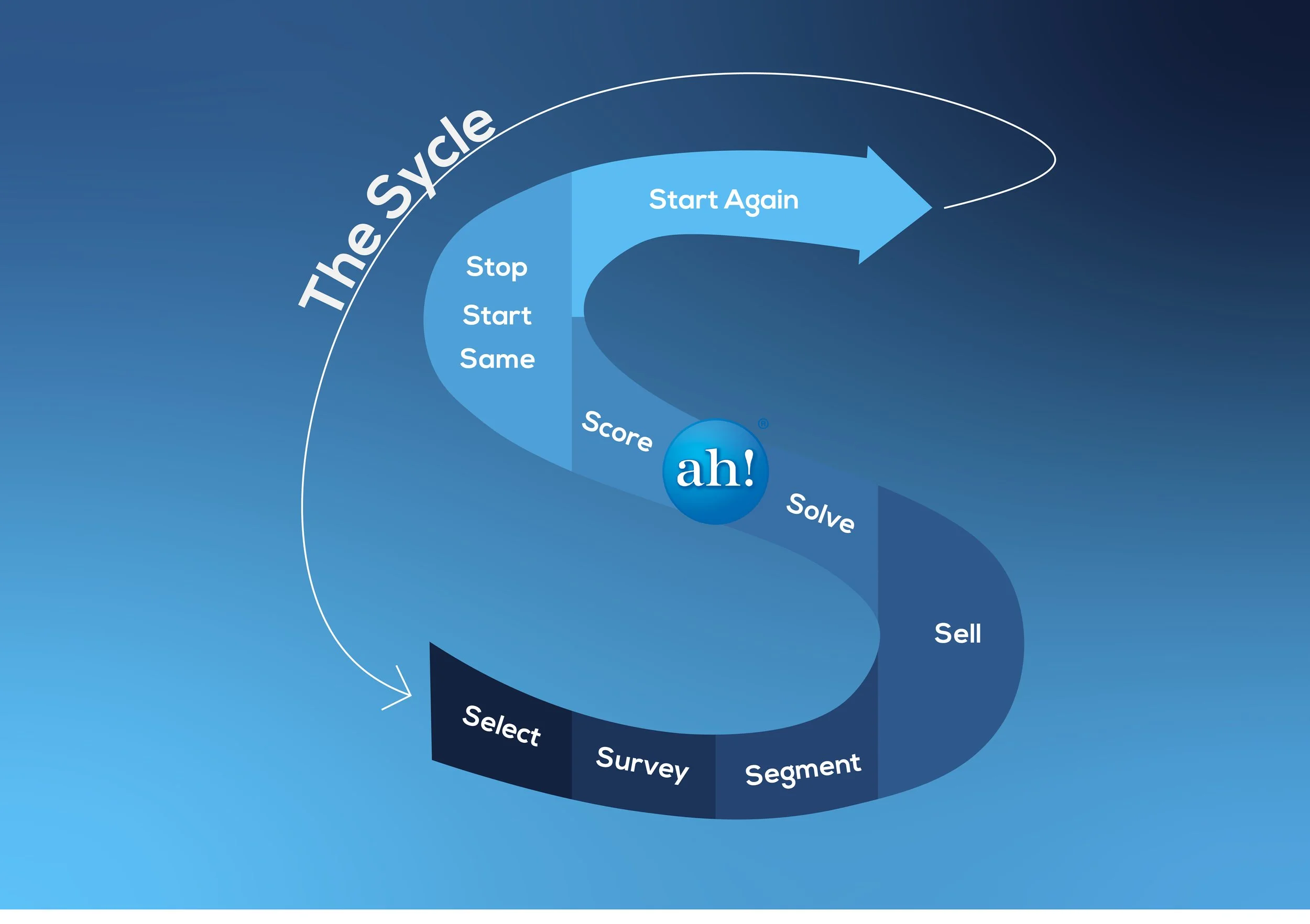
Data, Data Everywhere - What the Heck do I Need? - The Survey Step
The key to the Survey step is really all about precision. What data do we need to know in order to get as precise as we can with an individual to achieve the highest level of outcome at an appropriate or the least clinical and operational cost. This requires one to think about what information helps to make a difference identifying an individual's risk, the interventions required and the expected outcomes.
The goal of the Survey Step is to get all needed information for the Segment step along with information that will allow you to measure outcomes. The data for the Segment step is to drive ever closer to achieving an N of one. Knowing exactly what to do for that specific person to achieve the desired outcome. A population health program should be all about this level of precision medicine scalable to a population.
As we’ve moved into the era of precision medicine for various disease and conditions, the data elements required have increased, as have the ever updating clinical guidelines for the management of the specific disease or condition we chose in the Select step. Not only must we understand the data needed to create an improved clinical outcome, including behavioral health. We also need data on those elements that impact the ability of an individual to get the treatment or intervention, the Social Determinants of Health. What follows is a list of data elements of process, outcomes, clinical and SDoH that are recommended.
We’ll begin with member demographics, who they are where they live, gender, race, age, language, all pretty standard. Typically, payers will have claims data and clinicians will have electronic health records data. Having both data sets is critical to a population health program. Years ago, prior to widespread EHRs, when I developed the first disease management program for persons with HIV/AIDS operating in Florida Medicaid, we had to pay the doctors a small fee to complete a 1 page report on key clinical measures such as T-cell counts and Viral Load. These helped immensely when combined with claims data. We were able to understand what has happened in the past both from a clinical, utilization and cost perspective and how the person was doing.
More recently, as our science has continued to rapidly advance, resulting in a better understanding of various conditions and diseases, things like genetics and biomics are becoming more important as these data are allow us to move closer towards a precision medicine approach.
Additionally, social determinants of health data are important to understand their living situation, ability to access services and treatment, healthy foods, transportation, housing status, and financial situation.
Other important screening typically done or if available, include screenings for depression and anxiety, Prochaska’s Readiness to Change or Patient Activation Measures (PAM), an individuals ability health literacy, and health risk of appraisals provide additional data to guide the segmentation and interventions a well as measure outcomes. This also helps in the Sell stage to ensure we get enrollment and engagement, without which you will never achieve positive outcomes at an appropriate level to move the overall populations results.
Additional information can be gathered from Patient Reported Outcome Measures or PROMs and Remote Patient Monitoring (RPM) data. These are becoming important as we recognize the wave like nature of many chronic diseases. Getting more frequent data elements provides from RPM provides more precision in understanding impact.
While the survey step is all about preparing for the steps that follow, you also need to track the program itself, so your systems need to be able to understand engagement and the tracking of process and outcome measures.
One critically important but often under considered area is standardizing the gathering, labeling, measurements and utilization of these data. I have seen several programs struggle after start up to analyze the data when they did not define standard terminologies and measurement or appropriately considered how the data should be represented.
As you can readily see, the Select step requires considerable thinking and agreement amongst the team to ensure you have what you need for initial consideration and segmentation as well as later measurement of results.
If you’re considering this or other areas of your population health program, give us a call. We’ll help you Select the data that will lead your program to success.